
Credit Cards: Choose. Compare. Use Smartly.
Understand credit cards in India from the basics to smarter usage. Explore credit card types, eligibility, interest rates, billing cycles, minimum payments, fees, rewards, cash withdrawals and responsible credit management—all in one place.
Smart Credit

What is a credit card and how does it work?
A credit card gives you access to a predefined credit limit that can be used for eligible purchases and transactions. Instead of paying directly from your bank balance, you borrow against the available credit and repay the amount according to your card's billing and payment terms.
The important part is understanding how the billing cycle, statement balance, minimum amount due, payment due date, interest and fees work together.
Find the credit card information you actually need.
From choosing a card to understanding charges and repayments, explore the major credit card topics before making a financial decision.
Credit Card Eligibility
Understand common eligibility factors, income requirements and other criteria lenders may consider.
Check Eligibility Guide →Interest Rates
Learn how credit card interest works and why carrying an outstanding balance can increase your borrowing cost.
Understand Interest Rates →Billing Cycle
Understand statement dates, billing cycles, payment due dates and how credit card payments fit together.
Understand Billing Cycle →Minimum Payment
Learn what minimum amount due means and why paying only the minimum can leave an outstanding balance.
Understand Minimum Payment →Late Payment Charges
Understand why timely payments matter and what charges or credit consequences may apply.
Learn About Late Payments →Cash Withdrawal
Learn how credit card cash withdrawals differ from regular purchases and why their costs can be important.
Understand Cash Withdrawal →Understand the credit card payment cycle.
Knowing the flow from spending to statement generation and repayment can help you avoid unnecessary charges and manage your credit more effectively.
Why do people use credit cards?
Credit cards can offer convenience and additional features, but their value depends on responsible use and the card's actual terms.
Payment Convenience
Use a credit line for eligible purchases without making an immediate debit from your bank account.
Rewards & Cashback
Some cards offer reward points, cashback or category-specific benefits depending on the card programme.
Travel & Lifestyle
Selected cards can provide travel, dining, entertainment and lifestyle benefits.
Credit Building
Responsible repayment and credit management can contribute to a healthy credit profile over time.
The benefits matter only when the card fits your spending.
A rewards-heavy card may not be useful if its fees or spending requirements do not match your lifestyle. Similarly, a low-fee card can be more practical if it covers the categories where you actually spend.

Credit cards can help—or become expensive.
The difference usually comes down to spending discipline, repayment behaviour and understanding the card's terms.
Smart Credit Card Habits
- Pay your required payment by the due date.
- Whenever financially possible, clear the full statement balance.
- Track spending throughout the billing cycle.
- Compare fees before applying for a new card.
- Understand rewards expiry and redemption rules.
- Review every credit card statement carefully.
Things to Watch
- Carrying a large balance for long periods.
- Paying only the minimum amount repeatedly.
- Missing payment due dates.
- Using credit for spending you cannot comfortably repay.
- Ignoring annual, late-payment or transaction charges.
- Taking cash withdrawals without understanding their costs.
Explore our detailed credit card guides.
Go deeper into the specific credit card questions people commonly search for before applying, spending or making repayments.
Credit Card Eligibility
Learn common eligibility factors before applying.
Credit Card Interest Rates
Understand interest and borrowing costs.
Minimum Credit Card Payment
Understand minimum amount due and repayment.
Credit Card Billing Cycle
Learn how statements and due dates work.
Credit Card Late Payment Charges
Understand late payment risks and charges.
Credit Card Cash Withdrawal
Learn how cash withdrawals work and their costs.
Credit Card vs Personal Loan
Compare two common borrowing options.
Credit Card Payment Strategy
Build better repayment habits with the right information.
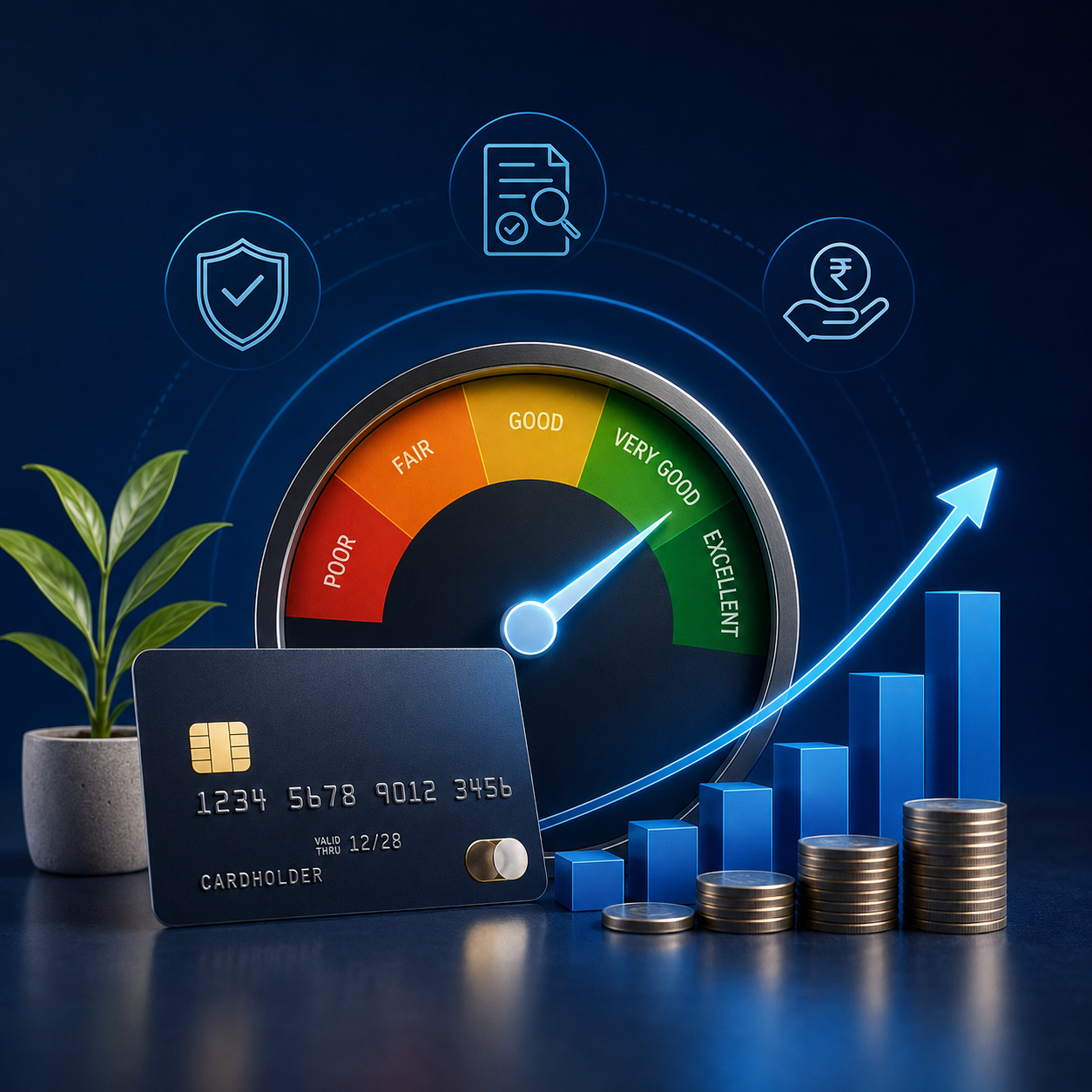
How to choose the right credit card for your needs.
There is no single “best credit card” for everyone. Your income, spending categories, repayment behaviour and preferred benefits should drive the decision.

Credit Card FAQs
A credit card provides a predefined credit limit that can be used for eligible purchases and transactions. The cardholder receives a statement for transactions during the billing cycle and must make payment according to the card's terms and due date.
Compare the card's eligibility criteria, annual fees, interest rates, rewards, cashback, benefits, credit limit, payment terms and other charges with your actual spending habits and repayment ability.
The minimum amount due is the minimum payment required by the card issuer under the applicable terms by the payment due date. It is generally only a portion of the total statement balance and does not normally clear the entire outstanding amount.
A missed payment can result in applicable late payment charges, finance charges and potential effects on your credit profile depending on the circumstances and issuer terms. Always check your card agreement and statement for applicable conditions.
Credit card behaviour can contribute to your credit profile. Payment history, outstanding balances, credit utilisation and overall credit management can all be relevant factors. Responsible and timely repayment is an important credit habit.
When financially possible, paying the full statement balance by the due date can help avoid carrying a balance and may reduce finance charges associated with revolving unpaid amounts. The exact treatment depends on the card's terms.
Understand your credit card before you start using it.
Compare the costs, benefits and repayment terms before choosing a card, and build habits that keep credit manageable.
FinancePilot provides general educational information and does not provide personalised financial, credit, lending, investment, tax or legal advice. Credit card eligibility, interest rates, fees, rewards, benefits, limits and other terms vary by issuer and card product. Always review the latest official card terms and conditions before applying or making financial decisions.